What is Diabetic Retinopathy Management?
Diabetic retinopathy is an eye complication of diabetes that occurs when persistently high blood sugar levels damage the tiny blood vessels in the retina, the light-sensitive tissue at the back of the eye. Over time, this damage may cause blood vessel leakage, swelling or abnormal new vessel growth.
It may develop without noticeable symptoms in its early stages. As the condition progresses, patients may experience blurred vision, dark spots, floaters, fluctuating eyesight, difficulty seeing colours or sudden vision loss. Without timely care, severe cases can lead to permanent visual impairment.
At Siliguri Greater Lions Eye Hospital, our Diabetic Retinopathy Management services focus on detecting retinal changes early and providing appropriate treatment to reduce the risk of diabetes-related vision complications.
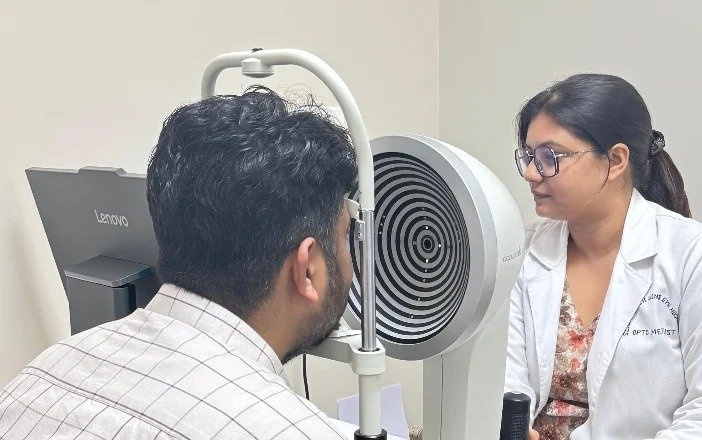
The evaluation begins with a comprehensive retinal examination and assessment of the extent of damage. Based on the findings, our ophthalmologists recommend suitable management options, which may include regular monitoring, laser treatment, intravitreal injections or surgery, along with ongoing follow-up to protect long-term visual health.
Diabetic retinopathy is an eye complication of diabetes that occurs when persistently high blood sugar levels damage the tiny blood vessels in the retina, the light-sensitive tissue at the back of the eye. Over time, this damage may cause blood vessel leakage, swelling or abnormal new vessel growth.
It may develop without noticeable symptoms in its early stages. As the condition progresses, patients may experience blurred vision, dark spots, floaters, fluctuating eyesight, difficulty seeing colours or sudden vision loss. Without timely care, severe cases can lead to permanent visual impairment.
At Siliguri Greater Lions Eye Hospital, our Diabetic Retinopathy Management services focus on detecting retinal changes early and providing appropriate treatment to reduce the risk of diabetes-related vision complications.
The evaluation begins with a comprehensive retinal examination and assessment of the extent of damage. Based on the findings, our ophthalmologists recommend suitable management options, which may include regular monitoring, laser treatment, intravitreal injections or surgery, along with ongoing follow-up to protect long-term visual health.