What is Neuro-Ophthalmology?
Neuro-Ophthalmology is a specialized subspecialty that focuses on complex neurological and visual disorders related to the eyes. It helps diagnose and treat vision problems caused by brain and nerve conditions.
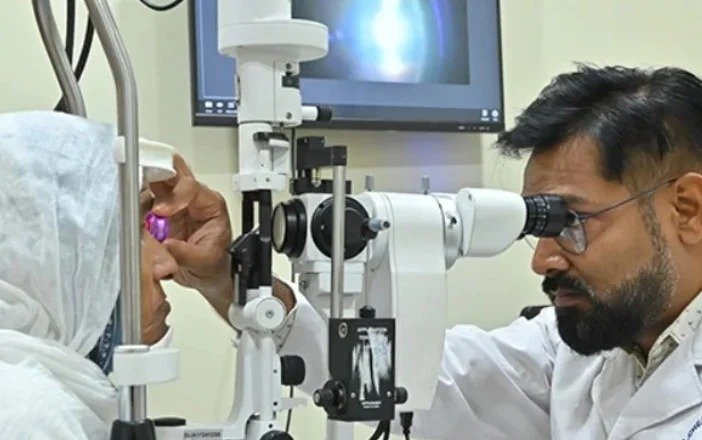
Specialised Neuro-Ophthalmology Care at SGLEH
The Neuro-Ophthalmology Department focuses on diagnosing and managing conditions where eye disorders are linked with neurological diseases.
Conditions We Treat
- Optic neuritis
- Optic nerve damage (Optic neuropathy)
- Double vision (Diplopia)
- Visual field defects
- Papilledema (optic nerve swelling due to brain pressure)
- Cranial nerve palsy affecting eye movements
- Vision problems related to stroke or brain disorders
- Unexplained vision loss related to neurological causes
Advanced Diagnostic Support
Accurate diagnosis is essential to identify the underlying neurological cause.
- Comprehensive eye examination
- Visual field testing
- Optical Coherence Tomography (OCT)
- Fundus photography
- Neuro-imaging coordination (MRI / CT scan when required)
Treatment and Management
Treatment depends on the underlying neurological condition and may involve multidisciplinary care.
- Medical management for optic nerve inflammation
- Management of double vision and eye movement disorders
- Monitoring of optic nerve health
- Coordination with neurologists for systemic neurological conditions
Importance of Neuro-Ophthalmology Care
- Early detection of neurological conditions affecting vision
- Prevention of permanent vision damage
- Accurate diagnosis of complex vision problems
- Comprehensive management involving eye and brain health
Why Choose Siliguri Greater Lions Eye Hospital (SGLEH)?
- Recognised as the Best Eye Hospital in North Bengal
- Experienced specialists in complex eye conditions
- Advanced diagnostic technology for precise evaluation
- Comprehensive eye care services under one roof
- Patient-centred approach with multidisciplinary care